Sewage Backup & Cleanup in Fort Worth, TX
24/7 Emergency | EPA Lead-Safe Certified | Eco-Friendly Methods
Call Now: (469) 727-3217Sewage backups in Fort Worth homes and businesses require immediate professional intervention. Go Green Restoration Inc delivers expert sewage cleanup services in Fort Worth, Tarrant County, using eco-friendly sanitization methods that eliminate health hazards while protecting the environment. Don't risk your health — call our emergency line now.
Why Fort Worth Properties Are Vulnerable
Fort Worth's mix of historic downtown buildings and sprawling suburbs creates varied restoration needs. Trinity River flooding, severe spring thunderstorms with hail, and aging plumbing in older neighborhoods drive most water and mold emergencies.
Fort Worth has about 957,000 residents spread across 32 ZIP codes in Tarrant County, and our sewage cleanup crews cover all of them. A city this size means very different building stock from one side to the other, so the first thing we establish on a sewage cleanup call is which part of Fort Worth we are heading to and what that tells us about the construction.
We work throughout Downtown Fort Worth, Sundance Square, Cultural District and TCU/Bluebonnet Hills, plus the rest of Fort Worth. If you are near Fort Worth Stockyards and Sundance Square, you are well inside our service area.
In the denser parts of Fort Worth, shared walls and stacked plumbing mean one unit's problem becomes three units' problem quickly, so containment is the first move on any sewage cleanup job. Summer dew points in Fort Worth sit high enough that damp air condenses inside wall cavities and around cold ducts, which quietly feeds the conditions behind a lot of sewage cleanup work. Fort Worth takes the full force of spring hail and straight-line winds, and the sewage cleanup work that follows a storm usually starts days after the storm itself, once the damage finally shows indoors.
Because we also cover Arlington and North Richland Hills, our Fort Worth crews are usually already somewhere in this corner of Tarrant County rather than starting from across the metroplex.
Local Considerations in Fort Worth
North Texas humidity is the single biggest driver of mold growth in DFW homes. Summer dew points routinely sit in the 70s, and every time that damp air meets an air-conditioned wall cavity, a cold supply duct, or a bathroom that vents into the attic instead of outside, it condenses. Mold only needs sustained moisture and about 48 hours, so surface mold behind a toilet or under a sink can establish itself long before anyone smells it. Controlling indoor humidity below 50 percent does more to prevent repeat mold growth than any single cleanup.
Spring storm season brings hail, straight-line winds, and tornado-alley downpours that open up roofs and window seals across the metroplex. The water intrusion itself is often minor and easy to miss — a stained ceiling corner, a damp attic rafter — but it feeds mold growth for weeks afterward. We trace storm-driven moisture back to the entry point, document it for your insurance claim, and dry the assembly out before mold takes hold rather than after.
In densely built areas, water damage and other restoration emergencies can quickly affect neighboring properties through shared walls, floors, and plumbing systems. Our rapid response team understands the urgency of containing damage in multi-unit and closely-spaced properties to minimize impact on the broader community.
Our Sewage Cleanup Process in Fort Worth
Emergency Response
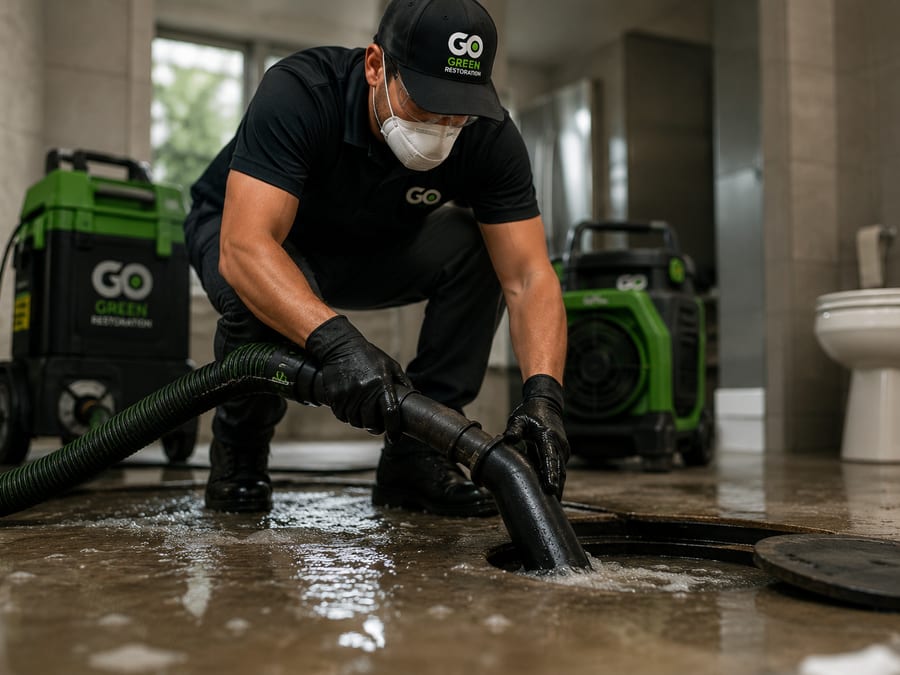
Our hazmat-trained crew responds to your Fort Worth property immediately, assessing the situation and implementing safety protocols to protect occupants and workers. After a Fort Worth hail event we run this step against the roof and window line first, because that is where the water got in.
Sewage Extraction
Using specialized pumps and extraction equipment, we remove all sewage and contaminated water from your Fort Worth property as quickly as possible. In denser parts of Fort Worth such as TCU/Bluebonnet Hills, we also check whether the neighboring unit is affected before we call this step finished.
Contaminated Material Removal
Porous materials contaminated by sewage in your Fort Worth property — including carpet, padding, drywall, and insulation — are safely removed and disposed of according to regulations. Across Fort Worth's 32 ZIP codes, this is the step that most often changes what the rest of the sewage cleanup job looks like.
Sanitization & Disinfection
All surfaces in your Fort Worth property are thoroughly cleaned and disinfected with EPA-registered antimicrobial agents to eliminate bacteria, viruses, and other pathogens. For a Sundance Square property this is typically where we confirm the scope with you before going further.
Structural Drying
Industrial dehumidifiers and air movers dry the affected areas of your Fort Worth property, with daily moisture monitoring to ensure complete drying. Fort Worth humidity means we verify this step with a meter rather than by eye.
Restoration & Repair
We rebuild and restore all damaged areas of your Fort Worth property, returning it to a safe, clean, pre-loss condition. After a Fort Worth hail event we run this step against the roof and window line first, because that is where the water got in.
Types of Damage We Handle in Fort Worth
Sewage Cleanup Guides for Fort Worth
We have written these guides specifically for Fort Worth property owners dealing with sewage cleanup, covering the local conditions, the decisions you will face, and the point where professional help becomes the right call.
 Sewage Backup in Fort Worth? Immediate Steps and Safety Before Cleanup Sewage backup in your Fort Worth home? Learn the immediate safety steps, why sewage is a biohazard, and why professional PPE cleanup is essential.
  Sewage Backup Cleanup in Fort Worth: What Causes Sewer Backups and How to Respond Tree roots, aging pipes, heavy rain, and grease cause sewer backups across Fort Worth. Learn the warning signs and why professional sewage cleanup matters.
  Sewage Backup Cleanup in Fort Worth: Health Hazards and the Professional Sanitization Process A Fort Worth homeowner's guide to sewage backup cleanup: the bacteria and viruses involved, why porous materials must go, and how pros sanitize safely.
 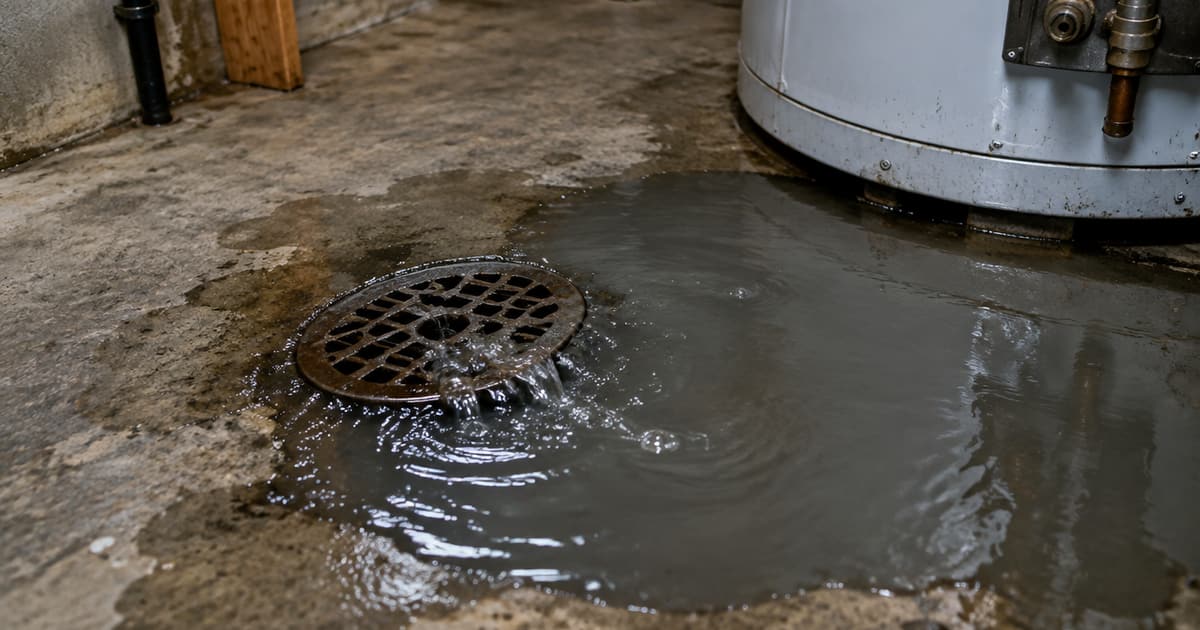 Does Insurance Cover Sewage Backup in Fort Worth? What Your Policy Really Says Standard home policies often exclude sewage backups in Fort Worth. Learn why a sewer backup endorsement matters, what's covered, and how to document a claim.
 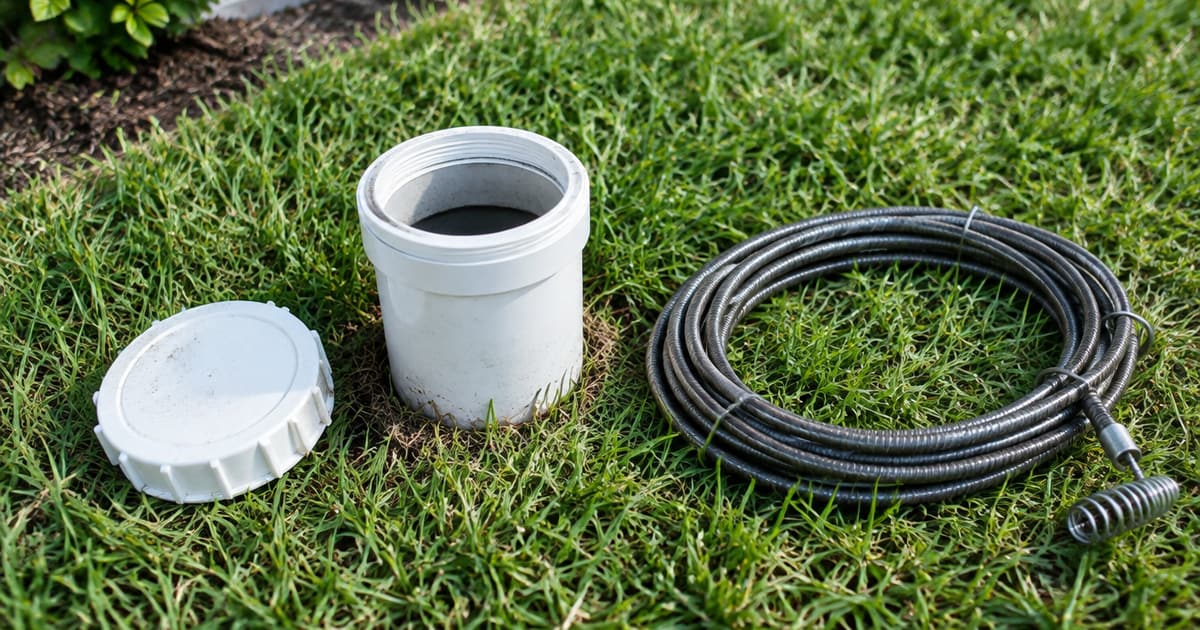 How to Prevent Sewage Backups in Fort Worth Homes: Valves, Roots, and Older-Home Risks Stop sewage backups before they start in Fort Worth. Learn about backwater valves, line cleaning, grease disposal, root control, and older-home risks.
 Fort Worth Areas We Serve
Neighborhoods
ZIP Codes
Sewage Cleanup Insurance Claims in Fort Worth
We work directly with all major insurance companies to handle your sewage cleanup claim in Fort Worth. Our team documents damage, communicates with adjusters, and ensures you receive fair compensation. We handle the paperwork so you can focus on your family and property.
Sewage Cleanup FAQ - Fort Worth
Is sewage backup dangerous in my Fort Worth home?
Yes, sewage contains harmful bacteria, viruses, and parasites that pose serious health risks. Do not attempt to clean sewage yourself. Our Fort Worth team uses proper protective equipment and biohazard protocols.
How fast can you respond to a sewage backup in Fort Worth?
We provide 24/7 emergency response throughout Fort Worth and Tarrant County. Our crews are typically on-site within 60 minutes, equipped with all necessary biohazard cleanup equipment.
Does insurance cover sewage cleanup in Fort Worth?
Many homeowner's policies in Fort Worth cover sewage backup damage, especially if you have a sewer backup endorsement. We work with all major insurance carriers and assist with the claims process.
What causes sewage backups in Fort Worth?
Common causes in Fort Worth include tree root intrusion into sewer lines, aging pipe infrastructure, heavy rainfall overwhelming storm systems, and grease buildup in drains.
Which parts of Fort Worth do you cover for sewage cleanup?
All of it. That means 32 ZIP codes — 76101, 76102, 76103, 76104, 76105, 76106 and the rest, covering Downtown Fort Worth, Sundance Square, Cultural District and TCU/Bluebonnet Hills, plus the surrounding neighborhoods. We also cover Arlington and North Richland Hills, so there is usually a crew working close by.
How quickly can you reach a Fort Worth property?
We run Fort Worth together with Arlington and North Richland Hills, which means our crews are generally already somewhere in this part of Tarrant County rather than dispatching from across the metroplex. For sewage cleanup that matters more than almost anything else, because the damage keeps developing while you wait. Call and we will tell you honestly where the nearest crew is and when they can be at your door.