Construction & Remodeling in Fort Worth, TX
24/7 Emergency | EPA Lead-Safe Certified | Eco-Friendly Methods
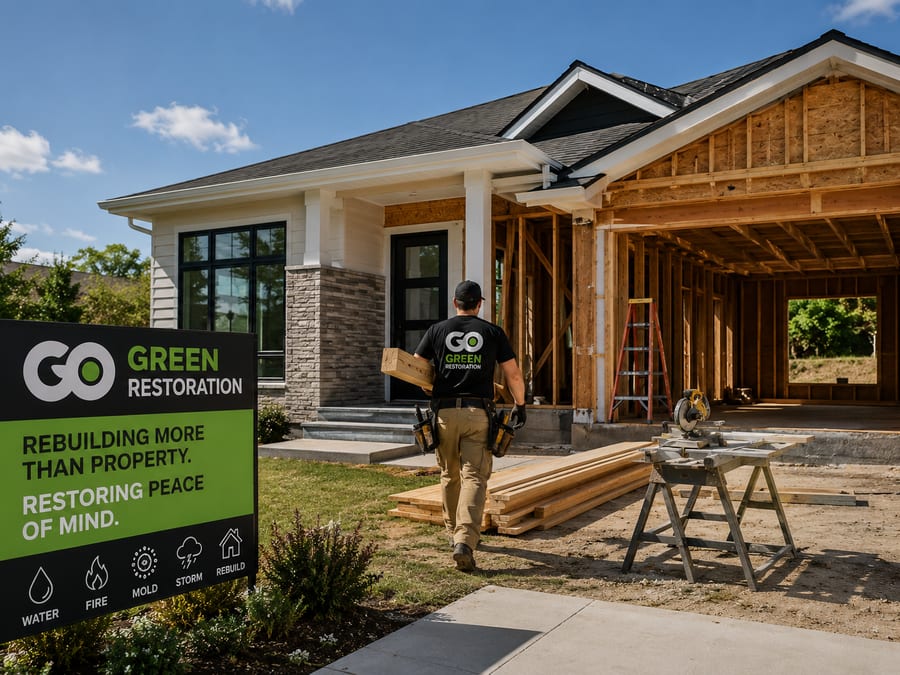
Call Now: (469) 727-3217Go Green Restoration Inc combines restoration expertise with construction excellence in Fort Worth, Texas. Whether you need structural rebuilding after a disaster or want to upgrade your Fort Worth property during the restoration process, our team handles every phase from permits to final inspection.
Why Fort Worth Properties Are Vulnerable
Fort Worth's mix of historic downtown buildings and sprawling suburbs creates varied restoration needs. Trinity River flooding, severe spring thunderstorms with hail, and aging plumbing in older neighborhoods drive most water and mold emergencies.
Fort Worth has about 957,000 residents spread across 32 ZIP codes in Tarrant County, and our reconstruction crews cover all of them. A city this size means very different building stock from one side to the other, so the first thing we establish on a reconstruction call is which part of Fort Worth we are heading to and what that tells us about the construction.
We work throughout Downtown Fort Worth, Sundance Square, Cultural District and TCU/Bluebonnet Hills, plus the rest of Fort Worth. Properties around Fort Worth Stockyards and Sundance Square fall squarely in the area we cover.
In the denser parts of Fort Worth, shared walls and stacked plumbing mean one unit's problem becomes three units' problem quickly, so containment is the first move on any reconstruction job. Summer dew points in Fort Worth sit high enough that damp air condenses inside wall cavities and around cold ducts, which quietly feeds the conditions behind a lot of reconstruction work. Fort Worth takes the full force of spring hail and straight-line winds, and the reconstruction work that follows a storm usually starts days after the storm itself, once the damage finally shows indoors.
Fort Worth sits next to Arlington and North Richland Hills, all of which we serve, so there is normally a crew working nearby when a reconstruction call comes in.
Local Considerations in Fort Worth
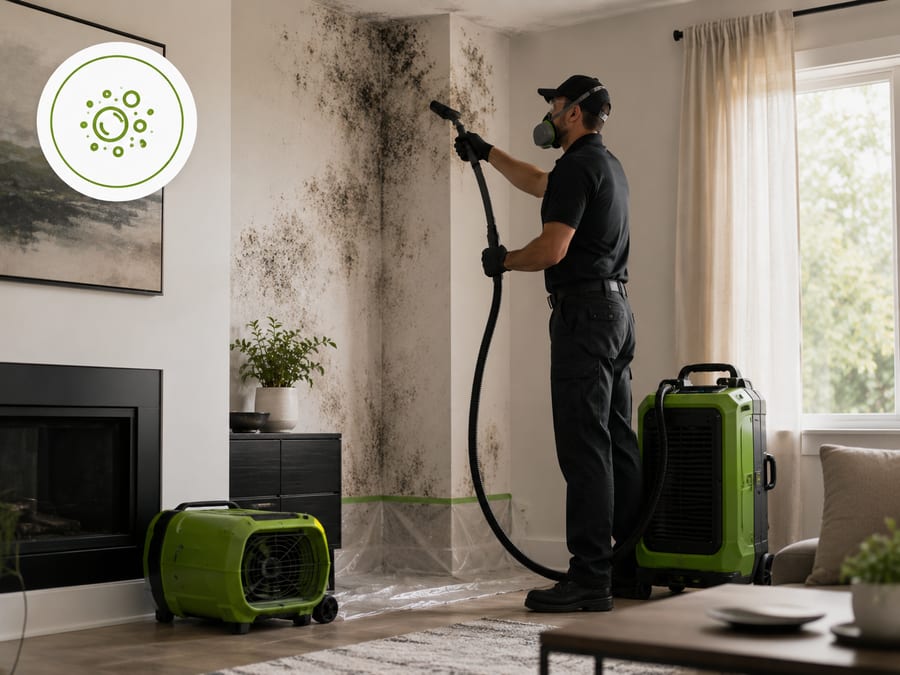
North Texas humidity is the single biggest driver of mold growth in DFW homes. Summer dew points routinely sit in the 70s, and every time that damp air meets an air-conditioned wall cavity, a cold supply duct, or a bathroom that vents into the attic instead of outside, it condenses. Mold only needs sustained moisture and about 48 hours, so surface mold behind a toilet or under a sink can establish itself long before anyone smells it. Controlling indoor humidity below 50 percent does more to prevent repeat mold growth than any single cleanup.
Spring storm season brings hail, straight-line winds, and tornado-alley downpours that open up roofs and window seals across the metroplex. The water intrusion itself is often minor and easy to miss — a stained ceiling corner, a damp attic rafter — but it feeds mold growth for weeks afterward. We trace storm-driven moisture back to the entry point, document it for your insurance claim, and dry the assembly out before mold takes hold rather than after.
In densely built areas, water damage and other restoration emergencies can quickly affect neighboring properties through shared walls, floors, and plumbing systems. Our rapid response team understands the urgency of containing damage in multi-unit and closely-spaced properties to minimize impact on the broader community.
Our Reconstruction Process in Fort Worth
Project Assessment
We evaluate your Fort Worth property to determine the full scope of construction needed, whether it's damage restoration, remodeling, or both. After a Fort Worth hail event we run this step against the roof and window line first, because that is where the water got in.
Design & Planning
Our team works with you to design the reconstruction or remodel of your Fort Worth property, preparing detailed plans and obtaining all required local building permits. Fort Worth humidity means we verify this step with a meter rather than by eye.
Structural Repairs
We address all structural damage to your Fort Worth property, including framing, foundation, roofing, and load-bearing elements to ensure safety and code compliance. For a Near Southside property this is typically where we confirm the scope with you before going further.
Systems Restoration
Electrical, plumbing, and HVAC systems in your Fort Worth property are repaired or upgraded as needed, with all work performed by licensed specialists. Across Fort Worth's 32 ZIP codes, this is the step that most often changes what the rest of the reconstruction job looks like.
Interior Finishing
Drywall, flooring, painting, cabinetry, and trim work bring your Fort Worth property back to life with quality materials and expert craftsmanship. In denser parts of Fort Worth such as Downtown Fort Worth, we also check whether the neighboring unit is affected before we call this step finished.
Final Inspection & Walkthrough
We schedule all required Fort Worth building inspections and perform a detailed walkthrough with you to ensure every aspect of the construction meets your standards. After a Fort Worth hail event we run this step against the roof and window line first, because that is where the water got in.
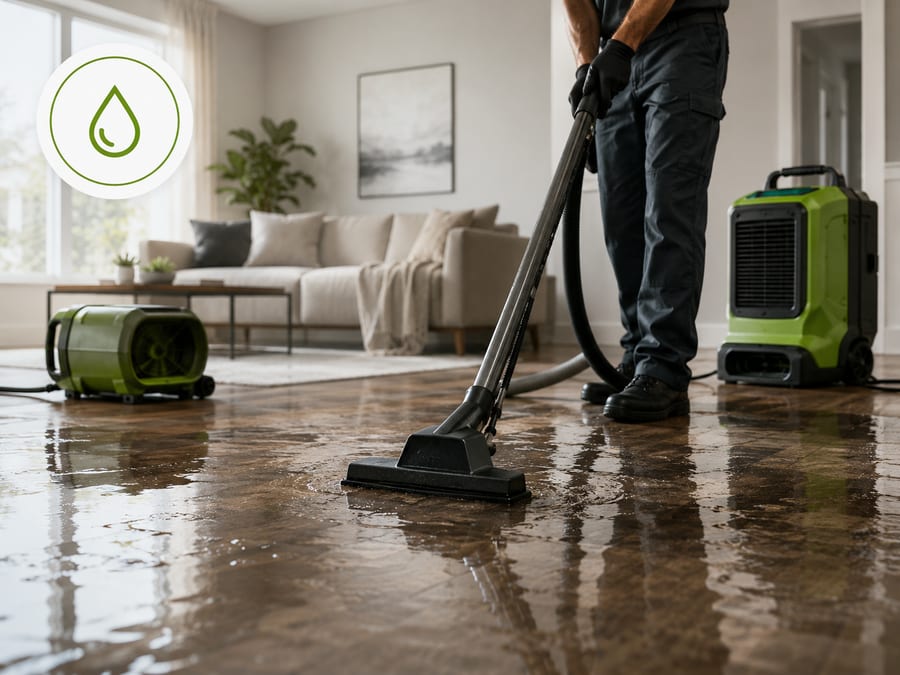
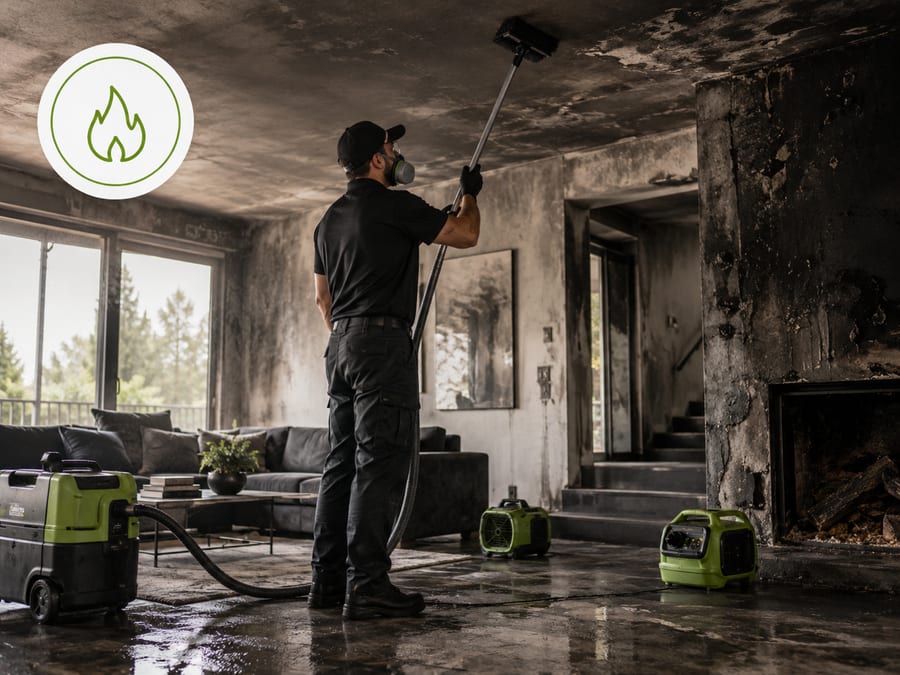
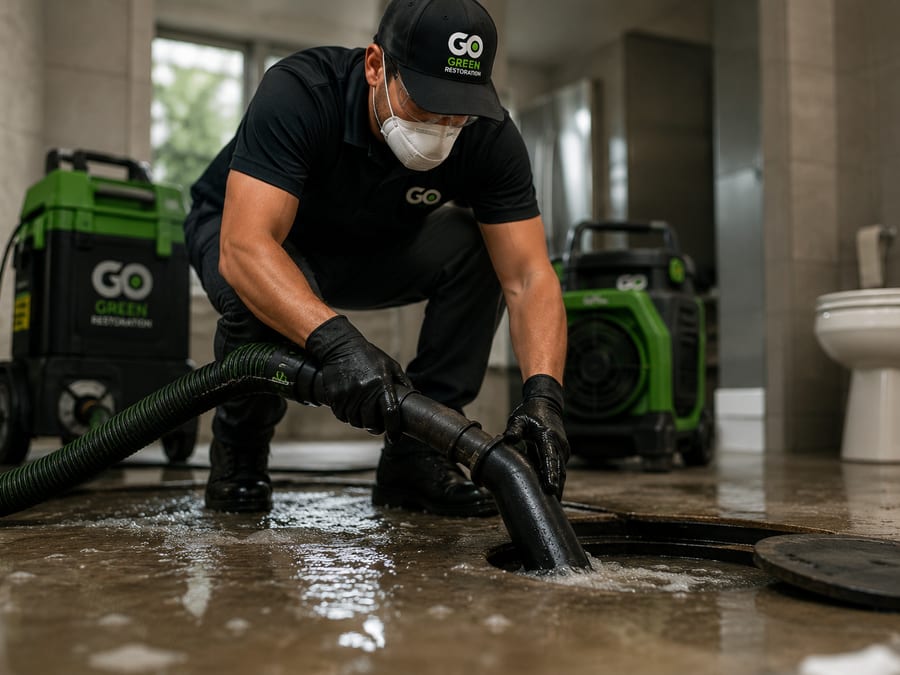
Types of Damage We Handle in Fort Worth
Reconstruction Guides for Fort Worth
We have written these guides specifically for Fort Worth property owners dealing with reconstruction, covering the local conditions, the decisions you will face, and the point where professional help becomes the right call.
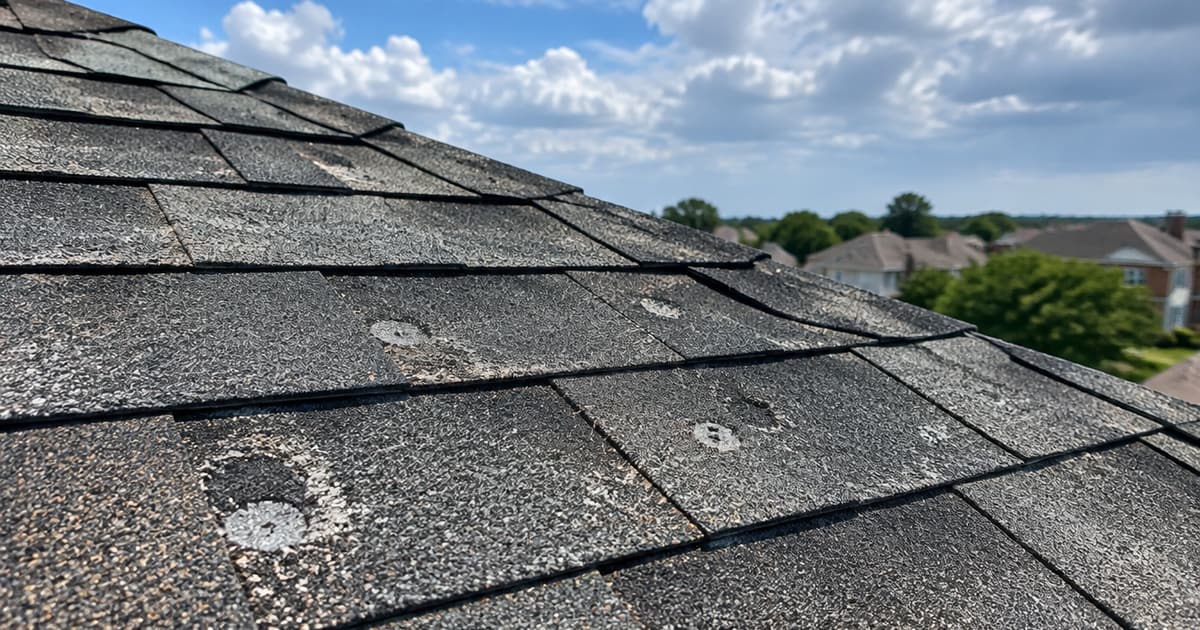 Restoration Construction in Fort Worth: What to Expect When Rebuilding After Water, Fire, or Storm Damage A Fort Worth homeowner's guide to reconstruction after major water, fire, or storm damage: assessment, scope, structural repairs, finishing, and one-provider value.
 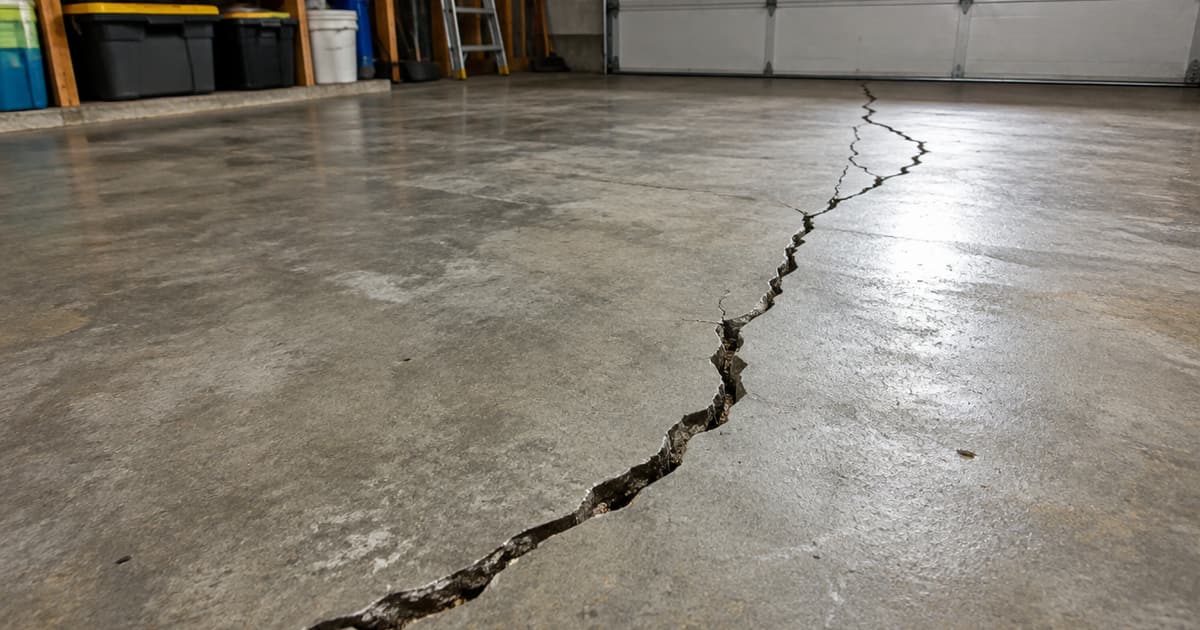 How to Choose a Restoration Contractor in Fort Worth (No State License Required) No statewide GC license exists in Texas. Learn how to vet a Fort Worth restoration contractor: insurance, IICRC/EPA certs, references, and storm-chaser red flags.
 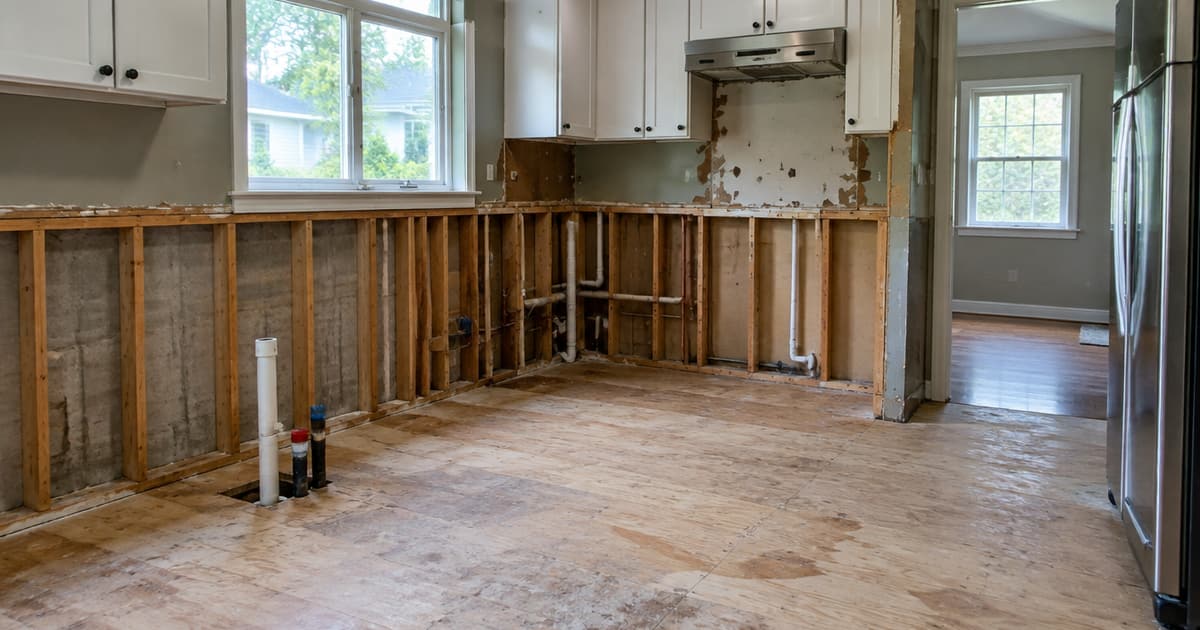 Remodeling While You Rebuild: A Fort Worth Homeowner's Guide to Restoration Upgrades Rebuilding after a loss in Fort Worth? Learn what insurance covers, which upgrades to bundle in, and how to coordinate remodeling with restoration the smart way.
 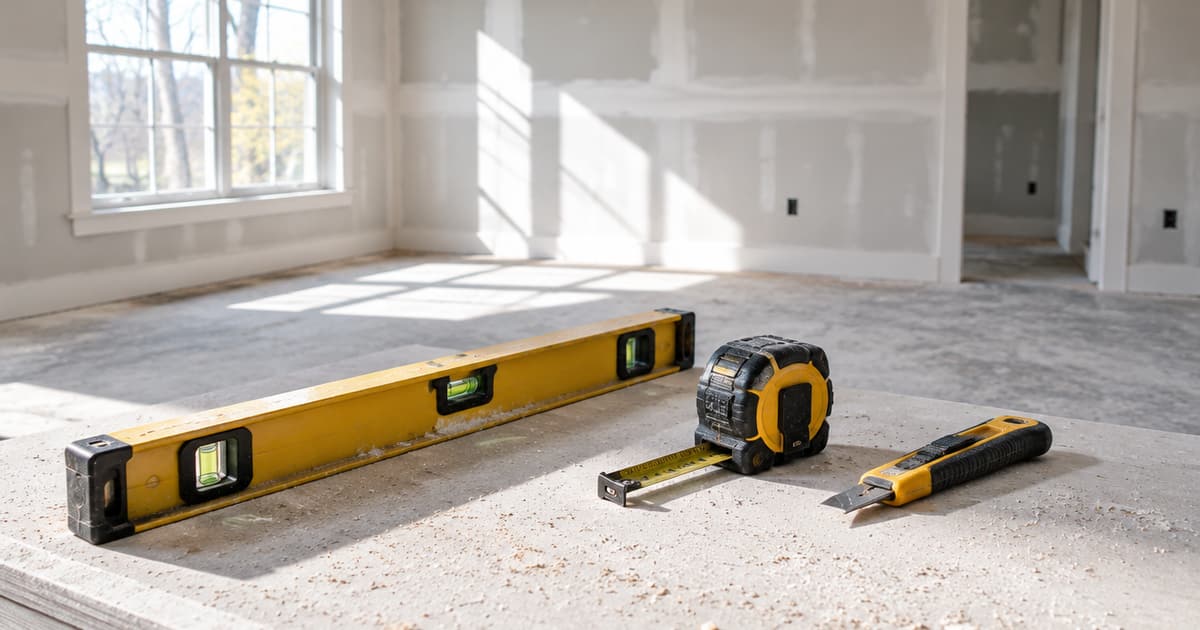 Building Permits and Code Compliance for Fort Worth Restoration and Remodeling When does Fort Worth restoration work need a permit? Learn how inspections, code upgrades on older homes, and contractor-handled paperwork keep your project legal.
 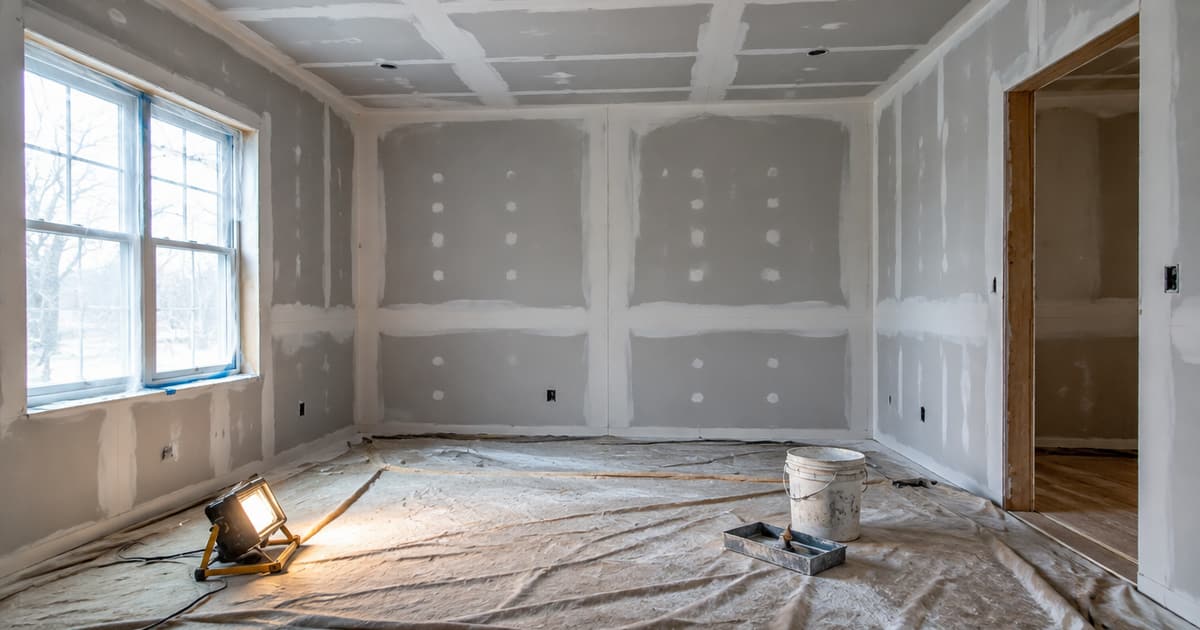 What Drives Your Fort Worth Rebuild Timeline and Cost After a Disaster Fort Worth post-disaster rebuild costs and timelines explained: scope, materials, permits, and insurance, plus realistic ranges for minor vs. major reconstruction.
 Fort Worth Areas We Serve
Neighborhoods
ZIP Codes
Reconstruction Insurance Claims in Fort Worth
We work directly with all major insurance companies to handle your reconstruction claim in Fort Worth. Our team documents damage, communicates with adjusters, and ensures you receive fair compensation. We handle the paperwork so you can focus on your family and property.
Reconstruction FAQ - Fort Worth
Can you remodel my Fort Worth home during restoration?
Absolutely. Many Fort Worth homeowners choose to upgrade their property during the restoration process. We can incorporate remodeling improvements into the reconstruction plan, often with insurance covering the restoration portion.
Do you handle building permits in Fort Worth?
Yes, our team handles all permit applications and inspections required by Fort Worth and Tarrant County building departments. We ensure all work meets current building codes and standards.
How long does reconstruction take after damage in Fort Worth?
Timeline varies by project scope. Minor repairs may take 1-2 weeks, while extensive reconstruction of a Fort Worth property can take 2-4 months. We provide a detailed project timeline during the planning phase.
Do you need a contractor's license in Texas?
Texas does not issue a statewide license for general restoration or construction contractors, so there is no state license number to look up. Go Green Restoration Inc is fully bonded and insured, our technicians are IICRC- and EPA Lead-Safe certified, and any specialty trade work (electrical, plumbing, HVAC) is performed by appropriately licensed subcontractors. Local building permits are pulled for work that requires them in Fort Worth.
Which parts of Fort Worth do you cover for reconstruction?
All of it. That means 32 ZIP codes — 76101, 76102, 76103, 76104, 76105, 76106 and the rest, covering Downtown Fort Worth, Sundance Square, Cultural District and TCU/Bluebonnet Hills, plus the surrounding neighborhoods. We also cover Arlington and North Richland Hills, so there is usually a crew working close by.
How quickly can you reach a Fort Worth property?
We run Fort Worth together with Arlington and North Richland Hills, which means our crews are generally already somewhere in this part of Tarrant County rather than dispatching from across the metroplex. For reconstruction that matters more than almost anything else, because the damage keeps developing while you wait. Call and we will tell you honestly where the nearest crew is and when they can be at your door.