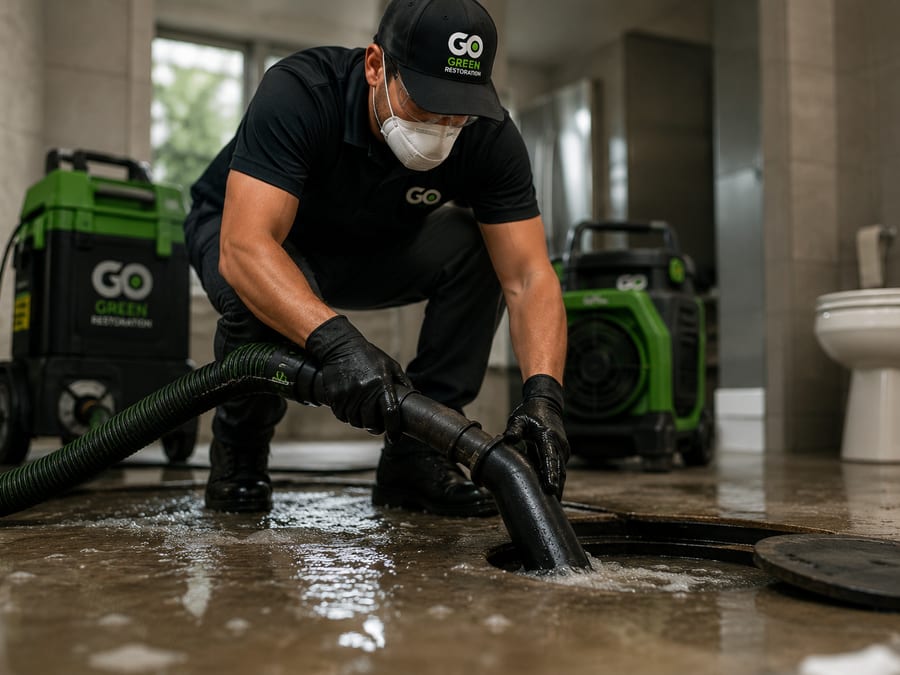
Water Damage Restoration in Flower Mound, TX
24/7 Emergency | EPA Lead-Safe Certified | Eco-Friendly Methods
Call Now: (469) 727-3217Water damage can devastate your Flower Mound property if not addressed immediately. Go Green Restoration Inc offers comprehensive water damage restoration in Flower Mound, Denton County, with response times designed for emergencies. From burst pipes to storm flooding, our IICRC-certified team handles every aspect of water damage cleanup, structural drying, and complete restoration.
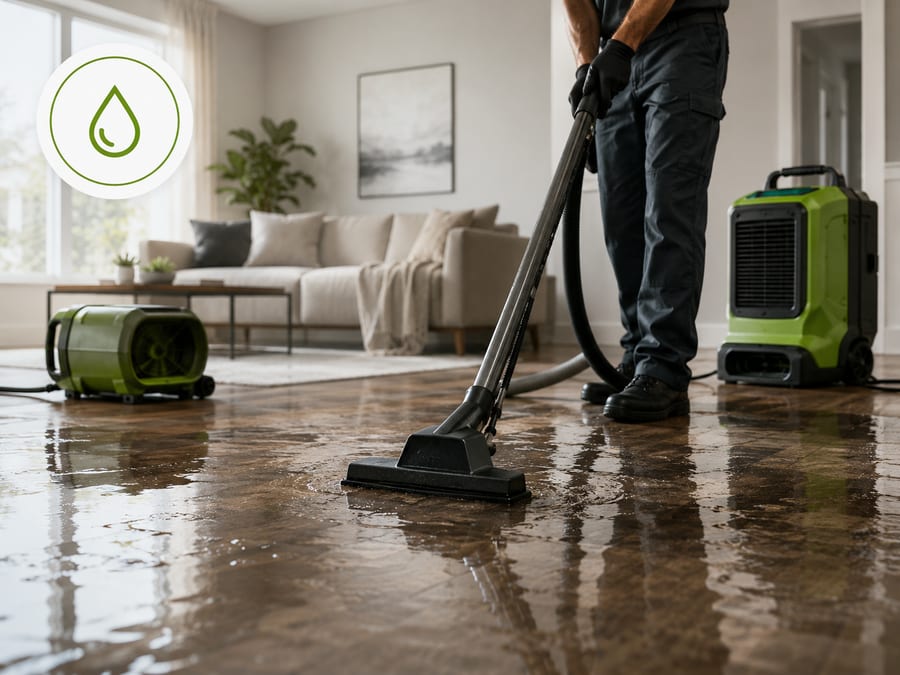
Why Flower Mound Properties Are Vulnerable
Flower Mound's larger luxury homes have complex plumbing and HVAC systems that increase failure points. Hail storms damage high-end roofing materials. Foundation issues from clay soil cause slab leaks.
Flower Mound has just over 79,000 residents spread across 2 ZIP codes in Denton County, and our water damage crews cover all of them. Flower Mound is small enough that we know its streets and its building stock well, and that familiarity shows up as faster, more accurate water damage work.
We work throughout Bridlewood, Wellington and Bridges of Flower Mound. Properties around The Flower Mound (historic landmark) and Twin Coves Park fall squarely in the area we cover.
Flower Mound sits on expansive North Texas clay that shifts through the seasons and stresses the lines under the slab, which is behind a large share of the water damage calls we take here. Larger Flower Mound homes carry more plumbing runs and more specialty finish, so water damage is less about square footage and more about matching the method to natural stone, custom millwork and engineered floors. Flower Mound takes the full force of spring hail and straight-line winds, and the water damage work that follows a storm usually starts days after the storm itself, once the damage finally shows indoors.
Flower Mound sits next to Lewisville, Grapevine and Southlake, all of which we serve, so there is normally a crew working nearby when a water damage call comes in.
Local Considerations in Flower Mound
Spring storm season brings hail, straight-line winds, and tornado-alley downpours that open up roofs and window seals across the metroplex. The water intrusion itself is often minor and easy to miss — a stained ceiling corner, a damp attic rafter — but it feeds mold growth for weeks afterward. We trace storm-driven moisture back to the entry point, document it for your insurance claim, and dry the assembly out before mold takes hold rather than after.
Larger custom homes have more plumbing runs, more bathrooms, and more complex HVAC zoning, which simply means more places a leak can start and more square footage of finish at risk. Specialty materials — natural stone, custom millwork, engineered hardwood — need drying approaches matched to the material rather than a single generic process.
Suburban DFW homes sit on expansive clay soil that swells and shrinks with the seasons. That movement is the most common cause of slab leaks in the metroplex, and a slab leak is one of the hardest water sources to spot because the first sign is often a warm spot on the floor or an unexplained jump in the water bill rather than visible water.
Water Damage Mitigation vs Restoration in Flower Mound
Insurers and contractors use these two words to mean different stages of the same job, and knowing which one you are being quoted for matters when the estimate arrives. Mitigation is the emergency work that stops the loss getting worse. Restoration is putting the property back afterward. Most Flower Mound claims involve both, billed separately.
Emergency mitigation: the first 24 to 48 hours
This is water extraction, stopping the source, and getting air movers and dehumidifiers in place. The window matters because mold needs roughly 48 hours of sustained moisture to start, so mitigation that begins on day three is a different and more expensive job than one that begins on day one. Insurers expect reasonable steps to limit the damage, and delay is one of the more common reasons a water claim gets reduced.
Structural drying and water damage assessment
Surfaces dry long before the assembly behind them does. We meter the framing, subfloor, and wall cavities rather than judging by touch, and we document those readings daily so there is a defensible record of what was wet, how wet, and for how long. That documentation is what an adjuster works from, and in Flower Mound it is frequently the difference between a covered claim and a denied one.
Storm and hail damage in North Texas
Spring storms drive water in through roof and window damage that is easy to miss from the ground, and the interior water damage often shows up days later as a stained ceiling or a damp attic rafter. We trace storm-driven moisture back to the entry point so the repair addresses the cause rather than the symptom, and so the claim documents both.
Restoration and repair
Once the structure is genuinely dry, restoration puts it back: drywall, flooring, trim, cabinetry, and paint. Because we handle both stages, nothing falls through the gap between a mitigation company and a separate rebuild contractor, which is where most of the delay in a Flower Mound water claim tends to accumulate. Our technicians are IICRC-certified, the standards body for water damage restoration.
Our Water Damage Process in Flower Mound
Emergency Contact
Call our 24/7 hotline. Our Flower Mound dispatch team responds immediately, gathering details about your water damage situation to prepare the right equipment and crew. After a Flower Mound hail event we run this step against the roof and window line first, because that is where the water got in.
Inspection & Assessment
Our certified technicians arrive at your Flower Mound property to perform a thorough water damage inspection using moisture detection equipment to map the full extent of damage. For a Wellington property this is typically where we confirm the scope with you before going further.
Water Extraction
Using commercial-grade pumps and extraction units, we remove standing water from your Flower Mound property quickly to prevent further damage to floors, walls, and belongings. Across Flower Mound's 2 ZIP codes, this is the step that most often changes what the rest of the water damage job looks like.
Drying & Dehumidification
We deploy industrial air movers and dehumidifiers throughout your Flower Mound home or business, monitoring moisture levels daily until the structure reaches acceptable drying standards. On Flower Mound's clay soil we check for slab movement at this stage, since that is where a surprising number of these jobs actually start.
Cleaning & Sanitizing
All affected areas of your Flower Mound property are cleaned, sanitized, and treated with antimicrobial solutions to prevent mold growth and eliminate odors. After a Flower Mound hail event we run this step against the roof and window line first, because that is where the water got in.
Restoration & Repair
From minor drywall repairs to major reconstruction, we restore your Flower Mound property to its pre-damage condition, coordinating directly with your insurance adjuster. For a Bridges of Flower Mound property this is typically where we confirm the scope with you before going further.
Types of Damage We Handle in Flower Mound
Water Damage Guides for Flower Mound
We have written these guides specifically for Flower Mound property owners dealing with water damage, covering the local conditions, the decisions you will face, and the point where professional help becomes the right call.
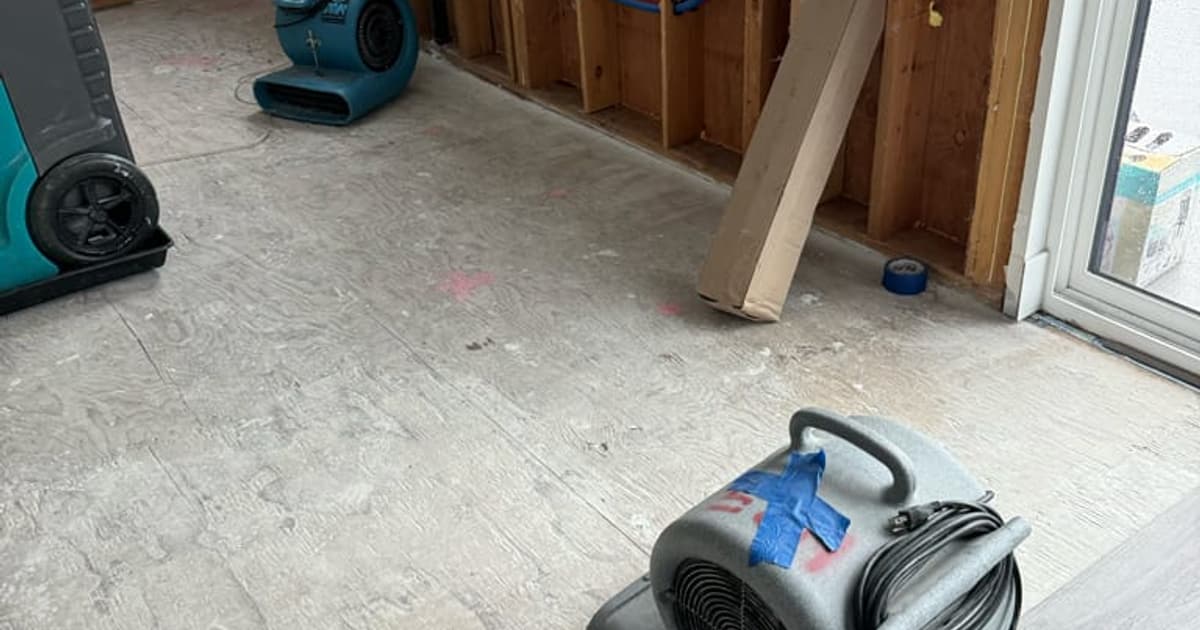 Saving Your Floors After Water Damage in Flower Mound, TX: Dry in Place or Replace? Flower Mound water damage? Learn how to save hardwood, laminate, carpet, and subfloors, plus when flooring can be dried in place versus replaced. Call (469) 727-3217.
 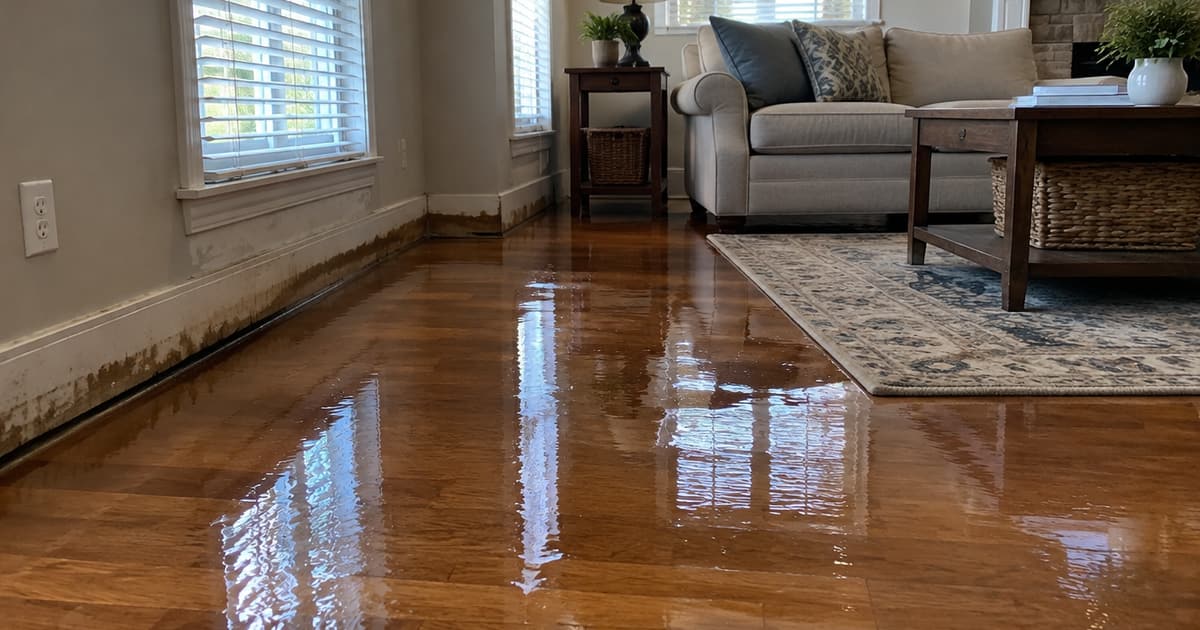 The First 24 Hours After Water Damage in Flower Mound: A Homeowner's Survival Guide Discovered a burst pipe in your Flower Mound home? Here's exactly what to do in the first 24 hours to stop the damage and prevent mold. Call (469) 727-3217.
 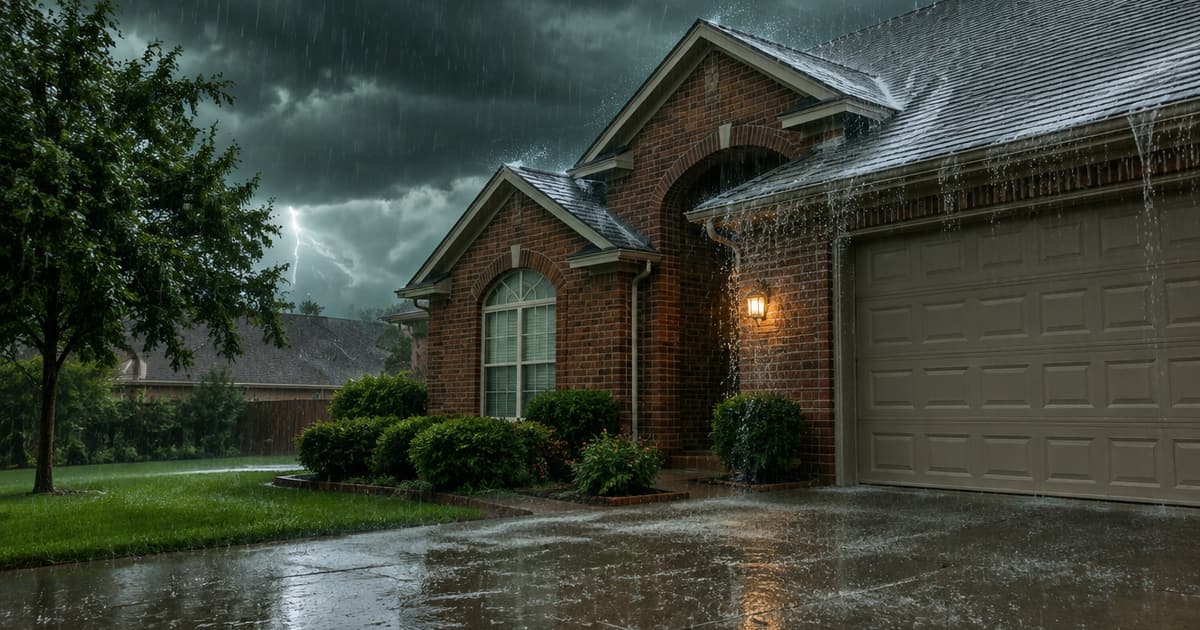 Storm-Driven Water Damage in Flower Mound: What North Texas Spring Storms Do to Your Home North Texas spring storms cause roof leaks, wind-driven rain, and flash flooding in Flower Mound. Learn immediate steps and how storm water differs from a clean leak.
 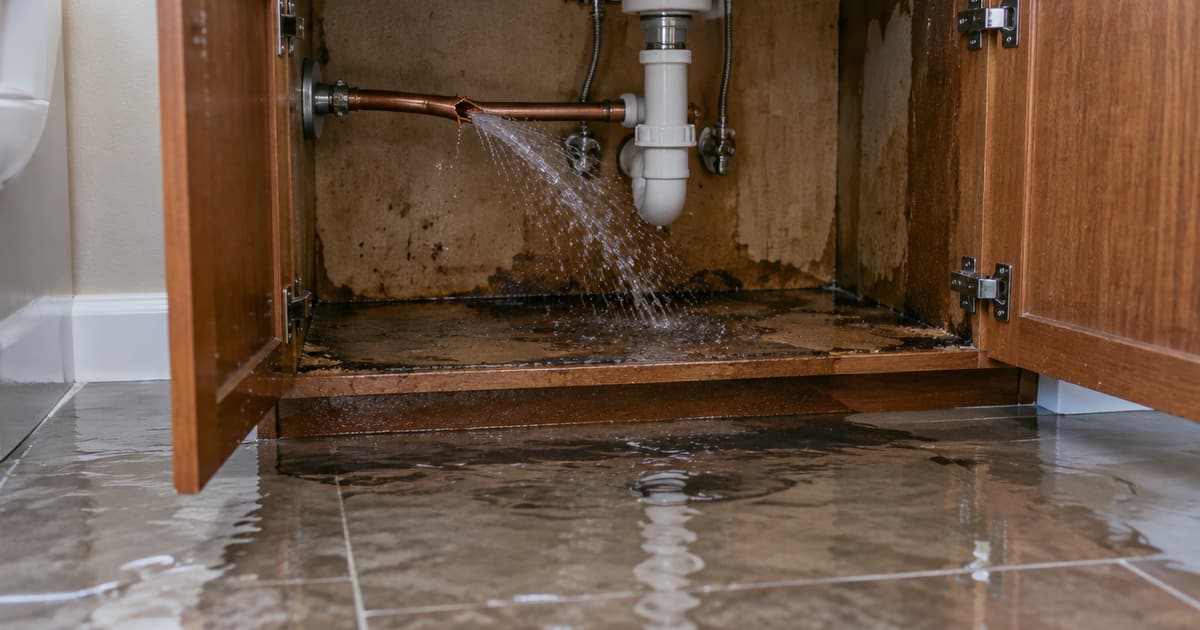 Hidden Water Damage in Flower Mound Homes: The Subtle Early Signs You Shouldn't Ignore Spot hidden water damage early in your Flower Mound home—stains, musty smells, warped floors, and high water bills—and learn when to call a restoration pro.
 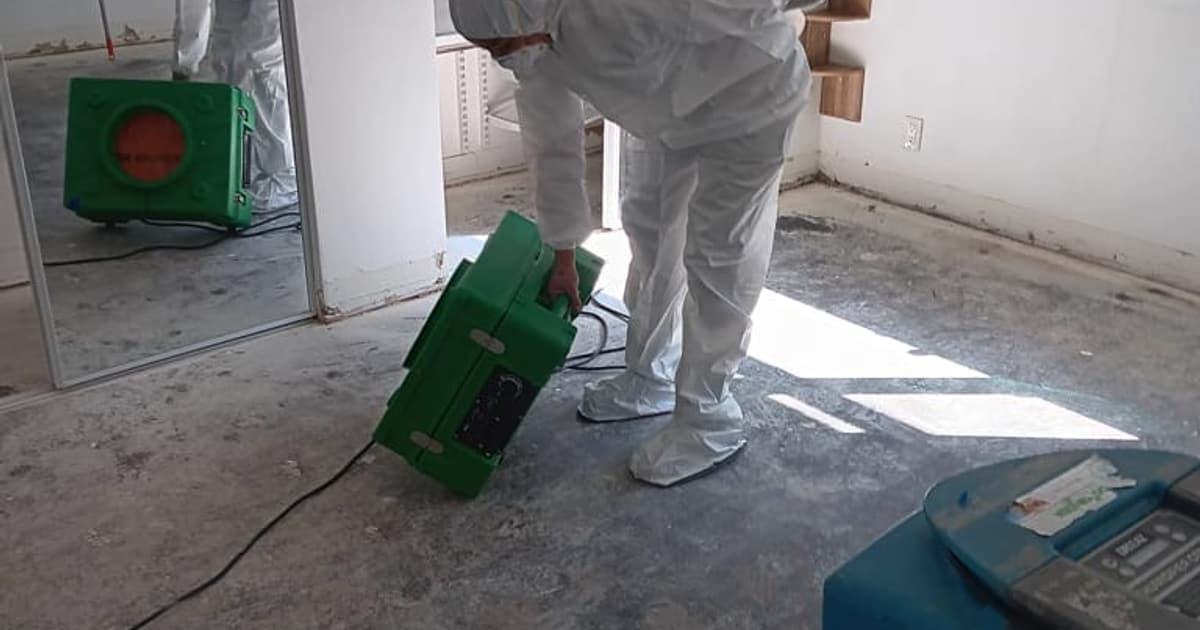 How to Navigate a Water Damage Insurance Claim in Flower Mound, TX A Flower Mound homeowner's guide to water damage claims: documenting the loss, sudden vs. gradual exclusions, and working with your adjuster. Call (469) 727-3217.
 Flower Mound Areas We Serve
Neighborhoods
ZIP Codes
Water Damage Insurance Claims in Flower Mound
We work directly with all major insurance companies to handle your water damage claim in Flower Mound. Our team documents damage, communicates with adjusters, and ensures you receive fair compensation. We handle the paperwork so you can focus on your family and property.
Water Damage FAQ - Flower Mound
How quickly can you respond to water damage in Flower Mound?
We offer 24/7 emergency response throughout Flower Mound and Denton County. Our technicians typically arrive within 60 minutes of your call, equipped and ready to begin water extraction immediately.
Does insurance cover water damage restoration in Flower Mound?
Most homeowner's insurance policies in Flower Mound cover sudden and accidental water damage, such as burst pipes or appliance failures. We work directly with your insurance company and help with the entire claims process.
How long does water damage restoration take in Flower Mound?
The timeline depends on the severity of damage. Minor water damage in a Flower Mound home may be resolved in 3-5 days, while extensive flooding can take 1-2 weeks. We provide a detailed timeline during our initial assessment.
Can water damage cause mold in my Flower Mound home?
Yes, mold can begin growing within 24-48 hours of water exposure in Flower Mound's climate. That's why rapid response is critical. Our restoration process includes antimicrobial treatment to prevent mold growth.
What should I do while waiting for water damage help in Flower Mound?
Turn off the water source if possible, move valuables to a dry area, avoid electrical outlets near water, and do not use household vacuums on standing water. Our team will handle everything else upon arrival.
Which parts of Flower Mound do you cover for water damage?
All of it. That means 2 ZIP codes — 75022, 75028, covering Bridlewood, Wellington and Bridges of Flower Mound. We also cover Lewisville, Grapevine and Southlake, so there is usually a crew working close by.
How quickly can you reach a Flower Mound property?
We run Flower Mound together with Lewisville, Grapevine and Southlake, which means our crews are generally already somewhere in this part of Denton County rather than dispatching from across the metroplex. For water damage that matters more than almost anything else, because the damage keeps developing while you wait. Call and we will tell you honestly where the nearest crew is and when they can be at your door.