Mold Removal in Grand Prairie, TX
24/7 Emergency | EPA Lead-Safe Certified | Eco-Friendly Methods
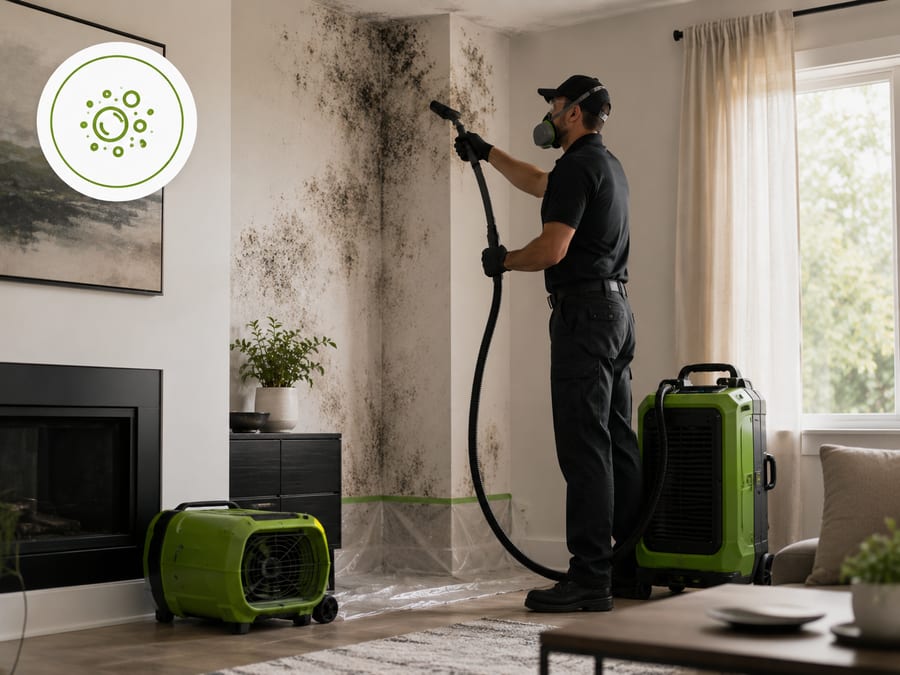
Call Now: (469) 727-3217If you have spotted a small patch of mold somewhere in your Grand Prairie property, the worst thing you can do is wait for it to spread, because mold needs only sustained moisture and roughly 48 hours to establish itself. Go Green Restoration offers EPA Lead-Safe certified mold cleanup in Grand Prairie, Tarrant County, for affected areas under 25 contiguous square feet — precisely the threshold Texas allows non-licensed contractors to handle. Our process begins by tracing the moisture back to its source rather than simply wiping down what you can see. We then clean and treat the affected area, confirm the assembly behind it is genuinely dry, and give you the practical guidance that keeps it from coming back a season later.
Why Grand Prairie Properties Are Vulnerable
Grand Prairie spans Dallas and Tarrant counties with varied property ages. Older neighborhoods have aging plumbing; newer subdivisions face hail and foundation issues from expansive clay soil.
With about 196,000 residents and 4 ZIP codes, Grand Prairie is one of the Tarrant County communities we respond to most often for mold removal. Grand Prairie is small enough that we know its streets and its building stock well, and that familiarity shows up as faster, more accurate mold removal work.
Mountain Creek and Westchester are all inside our regular mold removal route. We are regularly out around Lone Star Park and Verizon Theatre.
Grand Prairie sits on expansive North Texas clay that shifts through the seasons and stresses the lines under the slab, which is behind a large share of the mold removal calls we take here. Grand Prairie takes the full force of spring hail and straight-line winds, and the mold removal work that follows a storm usually starts days after the storm itself, once the damage finally shows indoors.
Grand Prairie sits next to Arlington and Irving, all of which we serve, so there is normally a crew working nearby when a mold removal call comes in.
Local Considerations in Grand Prairie
Spring storm season brings hail, straight-line winds, and tornado-alley downpours that open up roofs and window seals across the metroplex. The water intrusion itself is often minor and easy to miss — a stained ceiling corner, a damp attic rafter — but it feeds mold growth for weeks afterward. We trace storm-driven moisture back to the entry point, document it for your insurance claim, and dry the assembly out before mold takes hold rather than after.
Suburban DFW homes sit on expansive clay soil that swells and shrinks with the seasons. That movement is the most common cause of slab leaks in the metroplex, and a slab leak is one of the hardest water sources to spot because the first sign is often a warm spot on the floor or an unexplained jump in the water bill rather than visible water.
What Mold Removal in Grand Prairie Legally Covers
Texas regulates mold work by the size of the affected area rather than by the type of building, which surprises most homeowners who assume a house and a warehouse are governed differently. The Texas Department of Licensing and Regulation sets that threshold in plain terms, and it is worth understanding before you hire anyone in Grand Prairie. The number determines who is legally allowed to perform the work, what documentation you should expect at the end of it, and whether the company quoting you is permitted to take the job at all.
Under 25 contiguous square feet
This is the work we do, because a company does not need a mold license to clean up an area of this size. That threshold covers the large majority of household mold problems: surface growth in a bathroom, mold under a sink or behind a toilet, a patch on a closet wall, mildew across tile grout, and the spotting that so often follows a small supply-line leak. We clean all of it up while tracing the moisture source that caused the growth. Correcting that source is what stops the problem returning in a few months looking exactly as it did before.
Over 25 contiguous square feet
At this size Texas requires both a TDLR-licensed mold assessment consultant and a licensed mold remediation contractor, working as genuinely separate parties. The point is that the company diagnosing the problem is not the same company profiting from the scope of the fix. We are not licensed for this scope, and we tell you directly rather than quietly taking the job and hoping nobody measures. If your Grand Prairie property sits over the threshold we refer you to a licensed remediator, and we encourage you to verify any company's license yourself — including anyone we recommend — through the TDLR license search.
How we tell the difference
We measure the affected area during the free inspection, before any work begins or any money changes hands. The word contiguous is doing real work there, because it means connected. A single five-by-five-foot patch is treated very differently from several small separate spots scattered across different rooms, even when the total square footage is similar. If measuring puts your property over the line, the inspection is still worth having: it tells you exactly what you are dealing with, how far it extends, and what the correct next step is before you start calling licensed remediators.
Our Mold Removal Process in Grand Prairie
Inspection & Moisture Check
We begin by inspecting your Grand Prairie property to confirm whether the affected area falls under 25 contiguous square feet, measuring it properly rather than estimating by eye. At the same time we trace the mold back to the moisture source feeding it — a supply line, a roof penetration, a failed wax ring, a condensate drain, or humidity condensing inside a wall cavity. Identifying that source is the difference between a cleanup that holds and one that fails by the next season. If the measurement puts the area over the state threshold, we tell you immediately that it requires a TDLR-licensed remediator and help you find one. Across Grand Prairie's 4 ZIP codes, this is the step that most often changes what the rest of the mold removal job looks like.
Containment
Before any cleaning begins we isolate the work area inside your Grand Prairie property using sheeting and negative air pressure. That way the spores disturbed during cleanup travel into our containment rather than into the hallway, the return vents, or the bedrooms beyond. That matters a great deal in occupied homes where the household is still living around the work, and it is the single step most often skipped by the cheapest quotes you will receive. On Grand Prairie's clay soil we check for slab movement at this stage, since that is where a surprising number of these jobs actually start.
Air Filtration
HEPA air scrubbers run throughout the cleanup to capture the airborne spores that any disturbance of mold inevitably releases. They protect the indoor air quality of your Grand Prairie property while the work is underway and keep running afterward, so that the air in the affected space is measurably cleaner when we leave than it was when we arrived, rather than simply looking cleaner. After a Grand Prairie hail event we run this step against the roof and window line first, because that is where the water got in.
Mold Cleanup & Treatment
Our EPA Lead-Safe certified technicians remove the affected surface materials that cannot be salvaged and clean the materials that can. We treat the area with EPA-registered antimicrobial products chosen to be effective against mold without leaving residues that make the room unpleasant to occupy afterward. Throughout this stage we work within the 25 contiguous square foot scope that Texas permits us to handle, documenting what was removed and what was treated so you have a clear record for your insurer. For a Mountain Creek property this is typically where we confirm the scope with you before going further.
Moisture Control
We address the moisture source identified during the inspection, because cleaning mold without correcting the water that fed it simply schedules the same problem for a later date. In North Texas that correction often means more than a repair — it can mean improving ventilation in a bathroom that vents into the attic, adjusting humidity control, redirecting a condensate line, or sealing a penetration that spring storms have been driving water through for longer than anyone realized. Across Grand Prairie's 4 ZIP codes, this is the step that most often changes what the rest of the mold removal job looks like.
Cleanup & Prevention Tips
We clean the work area and confirm with moisture meters that the assembly behind the finish is genuinely dry, not merely dry to the touch. We then remove our containment and walk you through the practical steps that keep your Grand Prairie property mold-free — the humidity range to hold, the bathroom habits that matter, the seasonal checks worth making after hail season. The aim is for the last visit we make to your property to be the last one you need. On Grand Prairie's clay soil we check for slab movement at this stage, since that is where a surprising number of these jobs actually start.
Types of Damage We Handle in Grand Prairie
Mold Removal Guides for Grand Prairie
We have written these guides specifically for Grand Prairie property owners dealing with mold removal, covering the local conditions, the decisions you will face, and the point where professional help becomes the right call.
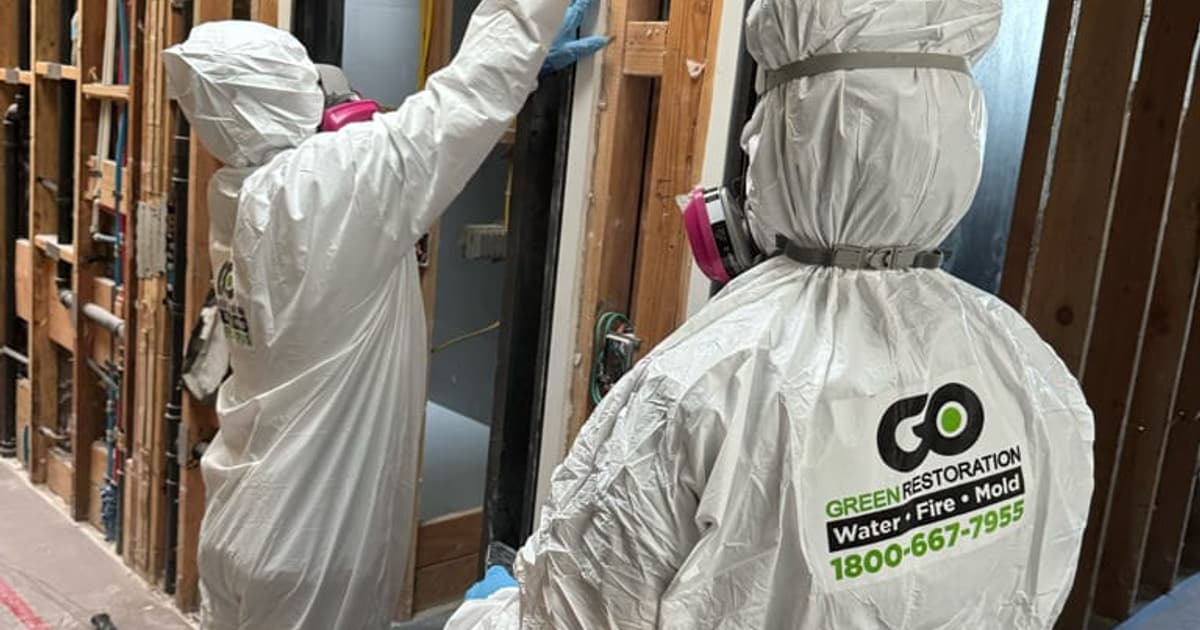 Mold and Indoor Air Quality in Grand Prairie: Symptoms, Vulnerable Households, and Small-Area Cleanup How mold affects indoor air and health in Grand Prairie homes, who's most vulnerable, and how EPA Lead-Safe small-area cleanup and air filtration help.
 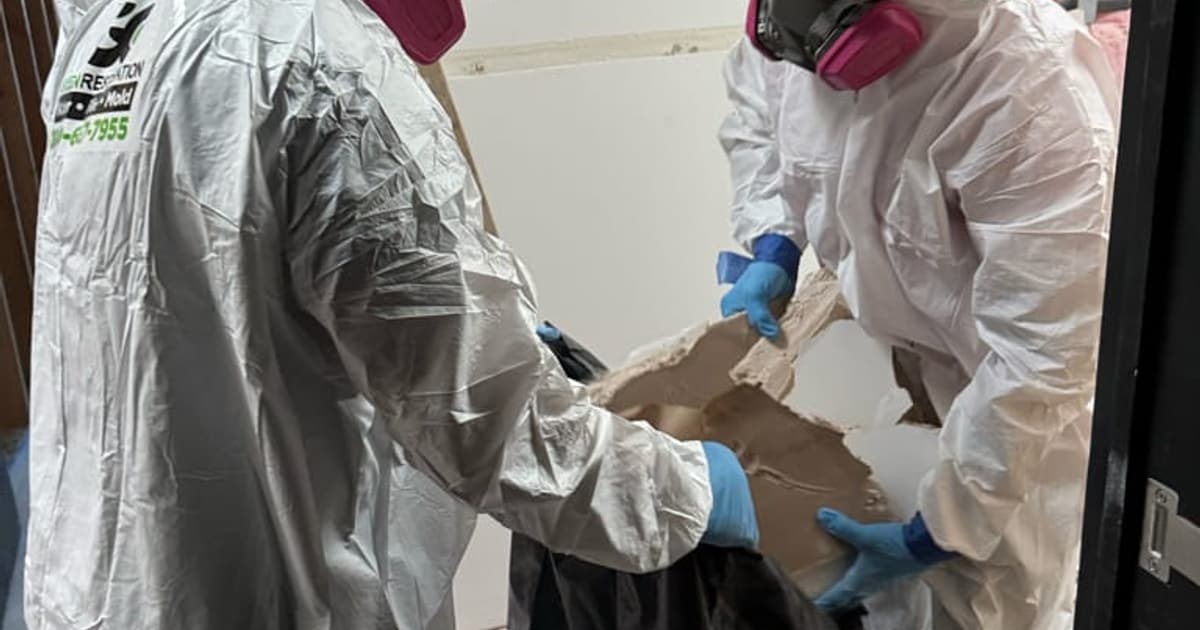 Grand Prairie Bathroom Mold: Safe Small-Area Cleanup and Ventilation Fixes That Last Spotting mold in your Grand Prairie shower? Learn safe small-area cleanup under the TDLR 25-sq-ft exemption plus the exhaust-fan fixes that stop it returning.
 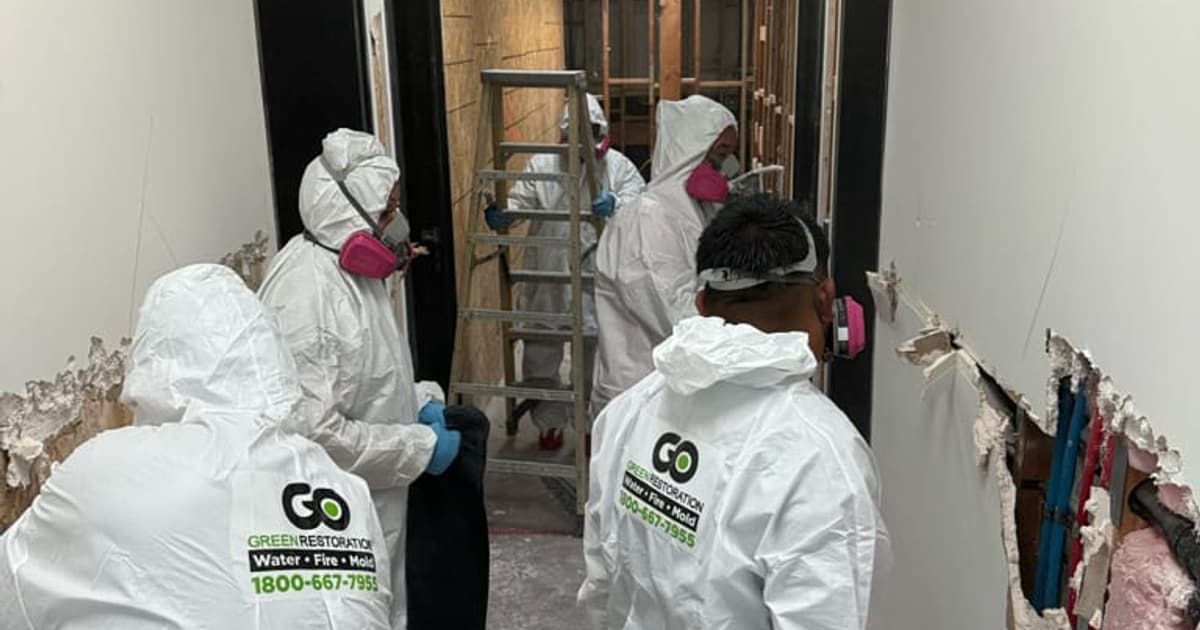 Attic and Crawlspace Mold in Grand Prairie: When Small-Area Cleanup Helps and When You Need a Licensed Remediator Attic and crawlspace mold is common in humid Grand Prairie homes. Learn the causes, what small-area cleanup covers, and when a TDLR-licensed remediator is required.
 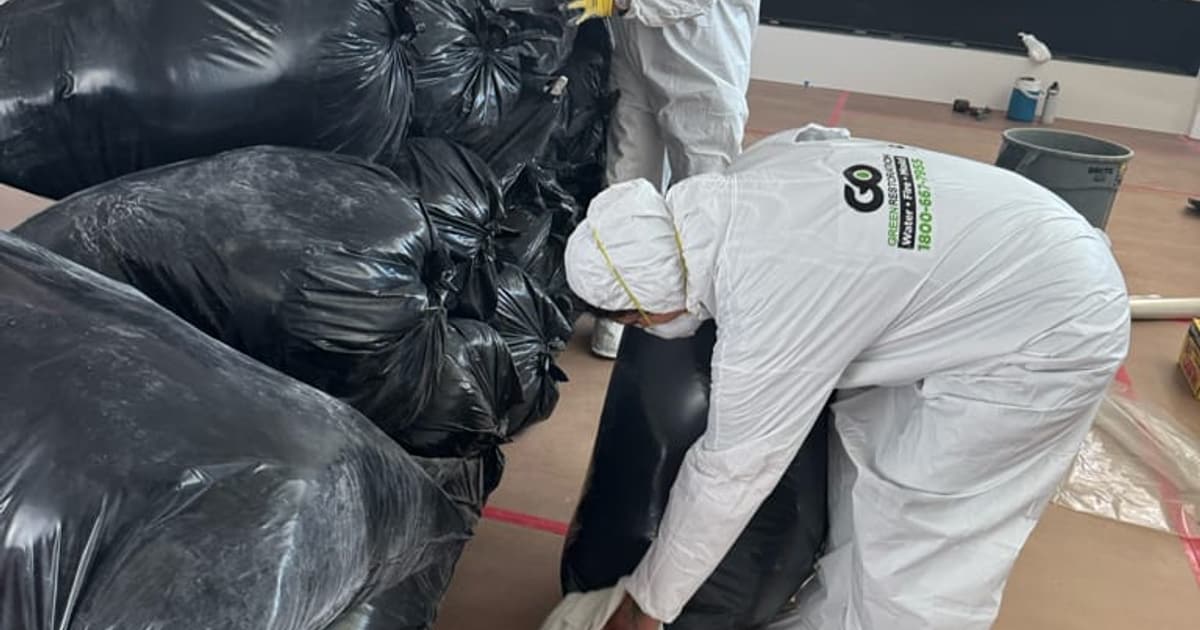 Mold vs. Mildew in Grand Prairie: How to Tell Them Apart and When to Call a Pro Mold or mildew in your Grand Prairie home? Learn how to tell them apart, when a small cleanup works, and when to escalate to a licensed TX remediator.
 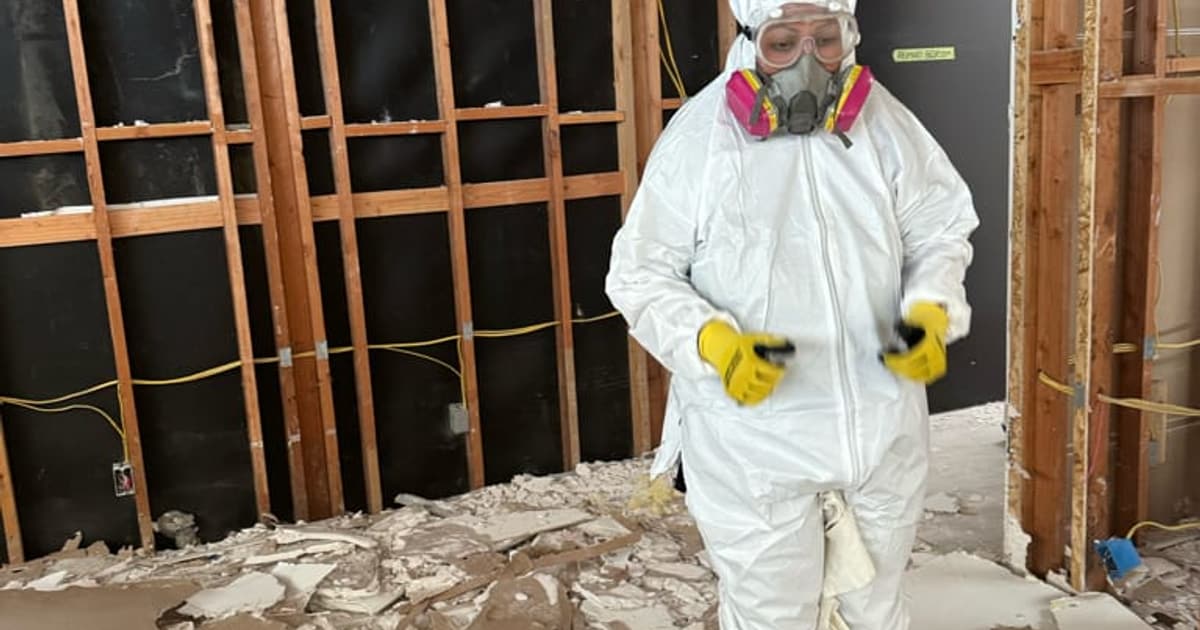 The Truth About Black Mold in Grand Prairie Homes: Facts, Myths, and When Size Matters Honest facts about black mold (Stachybotrys) for Grand Prairie homeowners: what's real, what's hype, and why square footage decides if you need a licensed remediator.
 Grand Prairie Areas We Serve
Neighborhoods
ZIP Codes
Mold Removal Insurance Claims in Grand Prairie
We work directly with all major insurance companies to handle your mold removal claim in Grand Prairie. Our team documents damage, communicates with adjusters, and ensures you receive fair compensation. We handle the paperwork so you can focus on your family and property.
Mold Removal FAQ - Grand Prairie
Do I need a licensed mold remediation company in Grand Prairie?
It depends entirely on the size of the affected area, because Texas draws the line at 25 contiguous square feet. Below that threshold the Texas Department of Licensing and Regulation allows companies like ours to clean up mold without holding a mold remediation license. That covers the large majority of household mold problems: bathroom surface growth, mold under a sink, a patch in a closet, or spotting that follows a small leak. Anything larger requires a TDLR-licensed mold assessment consultant and a separately licensed mold remediation contractor working as independent parties. In that case we will tell you so directly and refer you rather than take the job. Either way, our technicians are EPA Lead-Safe certified.
How do I know if I have mold in my Grand Prairie home?
The common signs are a persistent musty odor that returns after you air the room out, and visible discoloration on walls, ceilings, grout, or trim. Water stains and bubbling paint indicate moisture has been present for a while, and unexplained allergic symptoms that improve when you leave the house and return when you come back are another signal. The difficulty is that mold frequently establishes itself out of sight inside wall cavities, under flooring, and in HVAC systems long before any of those signs appear. That is why we offer free inspections for Grand Prairie properties, to determine both the true size of the problem and the right next step.
Is mold cleanup covered by insurance in Grand Prairie?
Coverage depends almost entirely on the cause rather than the mold itself. Mold resulting from a sudden and accidental event such as a burst supply line, a failed water heater, or storm-driven water intrusion is often covered under a standard Texas homeowners policy. Mold that developed from long-term seepage, deferred maintenance, or ongoing humidity is commonly excluded as a maintenance issue, which makes documentation of the triggering event genuinely decisive. We photograph the affected area, record moisture readings, and help Grand Prairie homeowners assemble the loss documentation their adjuster will ask for, before the evidence gets cleaned away.
Is mold dangerous to my health?
Certain mold species can cause respiratory irritation, persistent coughing, headaches, and allergic reactions. The risk is meaningfully higher for children, older adults, anyone with asthma or a compromised immune system, and households where someone already has a respiratory condition. That is why prompt, properly contained cleanup matters more than a fast cosmetic fix that disturbs the growth without capturing what it releases, and why our process combines containment and HEPA filtration rather than simply cleaning the visible surface of the problem in your Grand Prairie property.
Which parts of Grand Prairie do you cover for mold removal?
All of it. That means 4 ZIP codes — 75050, 75051, 75052, 75054, covering Mountain Creek and Westchester. We also cover Arlington and Irving, so there is usually a crew working close by.
How quickly can you reach a Grand Prairie property?
We run Grand Prairie together with Arlington and Irving, which means our crews are generally already somewhere in this part of Tarrant County rather than dispatching from across the metroplex. For mold removal that matters more than almost anything else, because the damage keeps developing while you wait. Call and we will tell you honestly where the nearest crew is and when they can be at your door.